
 If you have ever wondered, what does CCTV stand for, you are not alone. CCTV is a common term in homes, businesses, schools, warehouses, and commercial properties, but many people are unfamiliar with what it actually means and how it works.
The answer to what does CCTV stand for is Closed-Circuit Television. Unlike public television broadcasts, CCTV sends video signals to a limited number of monitors or recording devices. This makes it one of the most reliable technologies for surveillance, monitoring, and overall security.
In this guide, we’ll explain what CCTV is, how it works, the different types available, and why modern CCTV systems have become an essential part of protecting people and property.
What Does CCTV Stand for in Security?
When asking what does CCTV stand for, the simple answer is Closed-Circuit Television.
The term “closed-circuit” means the video is transmitted through a private system instead of being publicly broadcast. CCTV stands for a secure method of sending video from cameras directly to a monitor, recorder, or network where authorized users can access it.
Today, CCTV systems are used across many industries because they provide reliable surveillance while allowing property owners to monitor activities in real time or review recorded footage later.
How CCTV Systems Work
Understanding what does CCTV stand for also means understanding how the technology operates.
A typical CCTV system includes several connected components:
- CCTV cameras
- Video recorder
- Monitor
- Network connection
- Storage device
- Software for monitoring and playback
The cameras capture video throughout the property. The video is then transmitted through either an analog or digital network to a recording device. Security personnel or property owners can monitor live footage on a monitor or review stored recordings whenever necessary.
Modern CCTV systems also include intelligent software that can search footage quickly, send alerts, and improve overall monitoring efficiency.
Types of CCTV Cameras
Not every camera serves the same purpose. Different CCTV cameras are designed for different environments and security requirements.
Some common options include:
- Dome camera
- Bullet camera
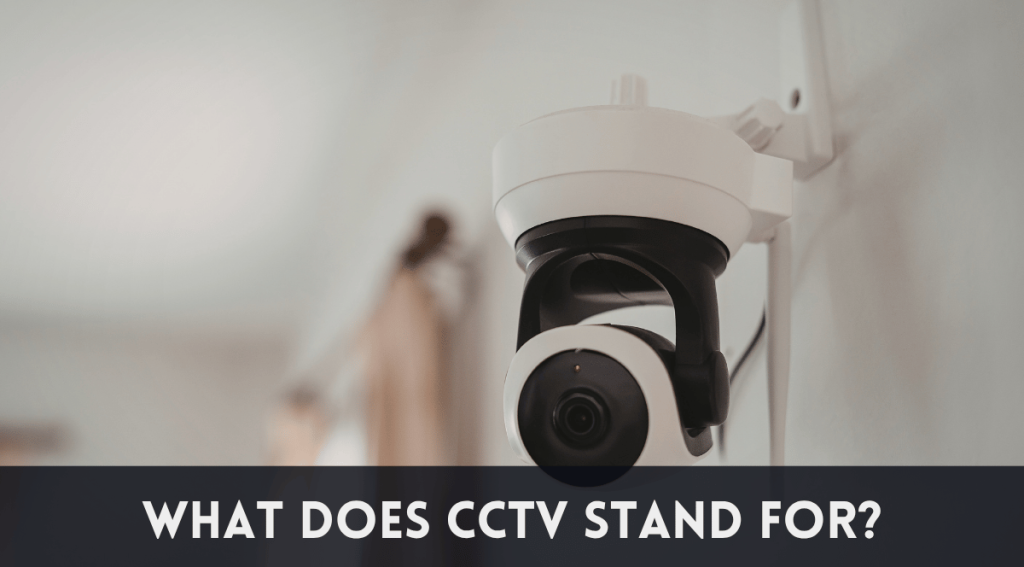
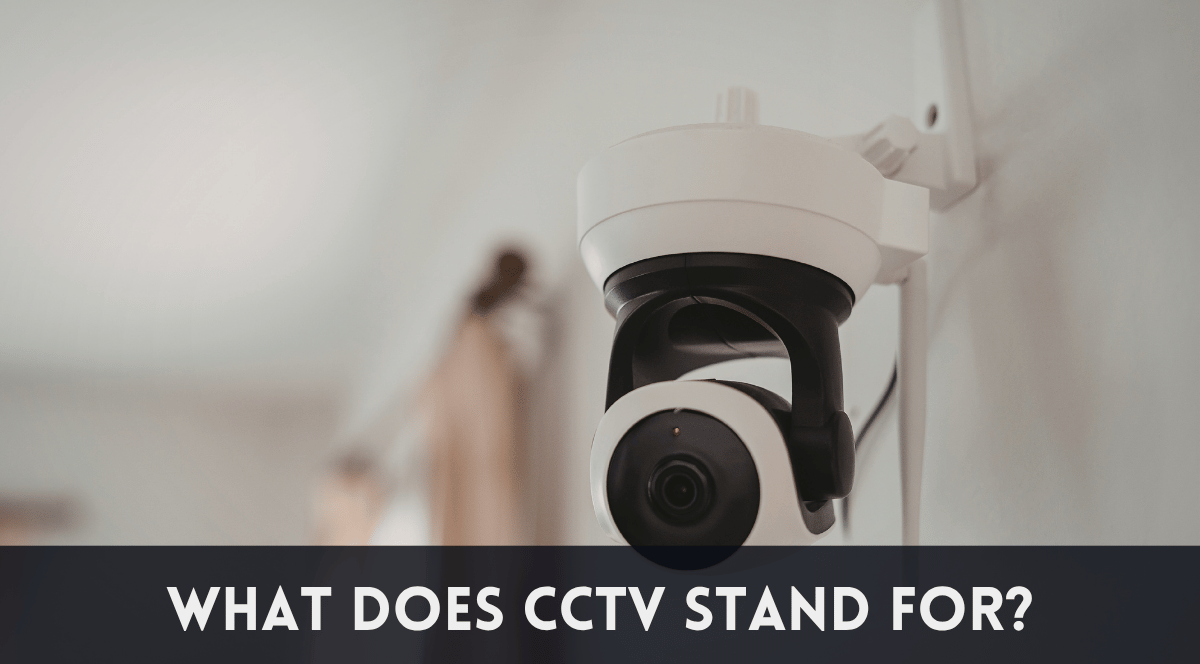
- PTZ camera
- Turret camera
- Thermal camera
- License plate recognition camera
Each camera captures high-quality image data while supporting various surveillance applications. Many digital cameras now use advanced CCD technology or modern image sensors to improve video quality in different lighting conditions.
Analog vs Digital CCTV Systems
One of the biggest developments in security has been the move from analog equipment to digital technology.
Analog CCTV Systems
Traditional analog CCTV systems transmit video through coaxial cables to a recorder. They remain dependable and cost-effective for many smaller installations.
Benefits include:
- Lower installation cost
- Simple operation
- Reliable performance
- Easy maintenance
Digital CCTV Systems
Digital CCTV systems use IP technology and a network connection instead of traditional analog transmission.
Advantages include:
- Higher video quality
- Remote monitoring
- Cloud storage options
- Advanced software features
- Better scalability
- Easier integration with other security systems
Today, many businesses choose digital solutions because they provide greater flexibility while maintaining excellent surveillance performance.
Why CCTV Is Important for Security
Now that you know what does CCTV stand for, it’s easy to understand why these systems are so valuable.
A professionally installed CCTV system helps:
- Deter criminal activity
- Improve workplace security
- Protect employees and visitors
- Reduce theft
- Assist investigations
- Record important video evidence
- Support daily monitoring
- Improve operational awareness
Many organizations use CCTV cameras to monitor entrances, exits, parking areas, offices, warehouses, and other sensitive locations.
The Role of Networks and Software
Modern CCTV installations rely heavily on network technology.
Instead of operating as standalone units, today’s CCTV systems can connect through secure networks, allowing authorized users to access live video from almost anywhere.
Advanced software provides features such as:
- Motion detection
- Intelligent monitoring
- Playback search
- User permissions
- Recording schedules
- Mobile viewing
- Automatic alerts
These tools make security management significantly more efficient while improving overall surveillance capabilities.
CCTV and Privacy
Although CCTV improves security, privacy should always be considered.
Organizations should install cameras responsibly, follow applicable privacy regulations, and clearly notify visitors when surveillance is in use. Access to recorded video should only be granted to authorized personnel.
Proper planning helps balance effective monitoring with respect for individual privacy rights.
Choosing the Right CCTV System
Every property has different security needs.
When selecting CCTV systems, consider:
- Property size
- Indoor or outdoor installation
- Required camera resolution
- Lighting conditions
- Storage requirements
- Network infrastructure
- Future expansion
- Budget
Professional guidance ensures the chosen system provides dependable surveillance without unnecessary complexity.
Why Professional Installation Matters
Installing CCTV involves much more than mounting cameras.
Proper camera positioning, network configuration, software setup, recording optimization, monitor placement, and ongoing maintenance all contribute to system performance.
Working with experienced professionals helps ensure your CCTV systems operate efficiently and provide reliable security for years to come.
Trust Oatridge Security Group (OSG) for Your Security Needs
If you’re researching what does CCTV stand for, you’re already taking the first step toward improving your property’s security.
At Oatridge Security Group (OSG), we provide professional security solutions designed to meet the needs of commercial, industrial, and residential clients. Our experienced team can help you select, install, and maintain modern CCTV systems that deliver dependable surveillance, effective monitoring, and long-term peace of mind. Whether you’re upgrading an existing system or planning a new installation, we’re here to provide expert guidance tailored to your property.
Final Thoughts
So, what does CCTV stand for? It stands for Closed-Circuit Television, a private video surveillance system designed to improve security through continuous monitoring and recording.
From traditional analog equipment to advanced digital networks, modern CCTV technology continues to evolve. With high-quality cameras, intelligent software, secure network connectivity, and reliable monitoring capabilities, today’s CCTV systems offer businesses and property owners an effective way to protect people, assets, and operations.
Whether you’re securing a small office or a large commercial site, understanding how CCTV works is the first step toward making informed security decisions.
Phone: (253) 461-1622

