
Tacoma Physical Security for Businesses, Properties, and High-Risk Sites
Tacoma physical security works best when people, procedures, and technology support one another. Oatridge Security Group provides tailored protection for businesses, facilities, job sites, events, and other properties across Tacoma, combining trained security personnel with patrols, access control, monitoring, and security planning. The goal is not simply to react after something happens. It is to reduce vulnerabilities, create visible deterrence, control access, and establish a clear response when conditions change.
What You Can Expect From OSG
- Tailored plans based on the property, operating hours, activity, and risk.
- Armed and unarmed security officer options when appropriate to the assignment.
- Vehicle and foot patrols for larger sites, parking areas, and perimeter checks.
- Access control, CCTV monitoring, and electronic security support.
- Security consulting to identify gaps before they become larger problems.
- 24/7, 365 communication when clients or officers need assistance.
| 20+ Years | 24/7/365 |
|---|---|
| Protective security experience serving private-sector and U.S. government clients. | Around-the-clock communication for officers and clients. |
| HUBZone Certified | 100+ Years |
| A Tacoma-based HUBZone-certified security business. | Combined security-industry experience across senior management. |
The company maintains 24-hour communication, seven days a week, 365 days a year.
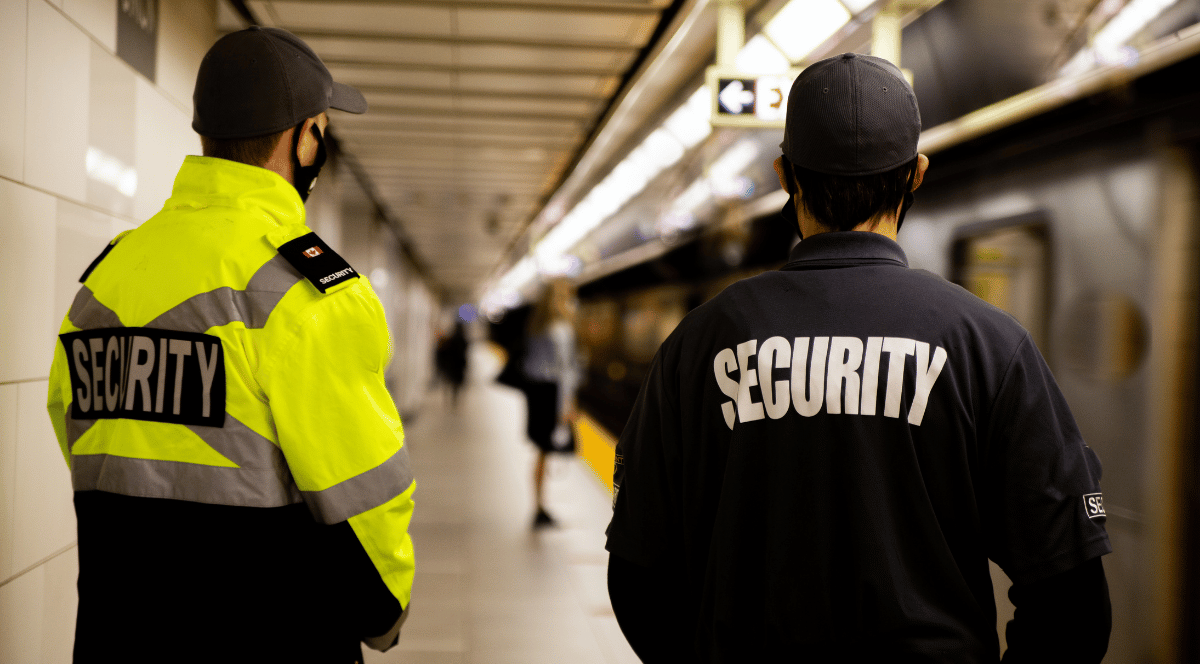 What Tacoma Physical Security Should Cover
Physical security protects people, property, information, and physical assets from theft, unauthorized access, vandalism, disruption, and other real-world threats. A strong plan normally uses layers rather than relying on one security measure.
For a Tacoma property, that may mean a physical guard presence at an entrance, a patrol officer checking exterior areas, security cameras watching key zones, controlled access at doors and gates, or remote monitoring after hours. Some security jobs need a dedicated security officer at a fixed post. Others are better served by scheduled or randomized patrols.
Tacoma also has varied operating environments, from commercial buildings and construction activity to logistics, parking areas, public-facing sites, and properties that stay active overnight. The same approach does not apply everywhere.
The strongest security plan combines visible presence, controlled access, monitoring, and clear response.
Which Type of Coverage Fits the Site?
| Coverage | Best Suited For | What It Adds |
|---|---|---|
| On-site security officer | Entrances, active facilities, events | Visible deterrence, access control, immediate on-site response |
| Vehicle or foot patrol | Larger properties, job sites, parking lot security | Perimeter checks, presence across multiple areas, checks for vehicle prowls |
| Remote security monitoring | Facilities needing added after-hours oversight | Continuous observation and faster verification of suspicious activity |
| Security consulting | Sites with unclear vulnerabilities or changing risks | Assessment, priorities, and a practical security plan |
How OSG Builds a Physical Security Plan
OSG’s approach is based on understanding the client’s requirements rather than forcing every property into the same model.
- Start with the security objective. The first conversation identifies what needs protection, when coverage is needed, and where the main concerns are.
- Review the site and vulnerabilities. Layout, access points, activity, operating hours, and existing controls help determine the right mix of services.
- Build the plan. OSG can combine guard services, patrols, access control, consulting, monitoring, and electronic security around the specific job.
- Prepare the personnel. OSG states that officers receive classroom training covering state laws and general procedures, plus site-specific training before beginning an assignment.
- Maintain communication and adjust. Security needs change over time, so coverage can be refined as operations, schedules, or risks change.
100+ YEARS OF COMBINED SENIOR MANAGEMENT SECURITY EXPERIENCE
Why Do Licensing and Screening Matter?
Washington regulates private security companies and security guards. The Washington State Department of Licensing requires businesses providing contract guard services to hold a private security guard company license and includes liability insurance among company licensing requirements.
OSG states that its officers are licensed under Washington law and that applicants undergo internal screening, nationwide criminal-background review, references, and fingerprint-based criminal-history checks. That matters because effective Tacoma physical security depends on the people assigned to the property as much as the equipment around it.
Washington requires private security companies and individual guards to meet state licensing requirements.
Layered Security Works Better Than One Measure Alone
A camera can document activity, but it cannot perform every job of an on-site guard. A guard can observe and respond, but a large property may also need access control, patrol coverage, alarms, or monitoring. CISA’s physical-security resources likewise emphasize planning, protective measures, response, and mitigation for facilities and public spaces.
For example, a construction property may combine unarmed security, overnight guard coverage, gate control, and patrols around equipment storage. A commercial facility may use security officers at access points with cameras and monitoring supporting the wider site. For short-term jobs, the plan can focus coverage on the time and areas where exposure is highest.
This layered approach gives Tacoma clients a practical way to match protection to real operating conditions rather than paying for measures that do not fit the site.
Tacoma Protection That Stays Ready
Oatridge Security Group brings more than 20 years of operating history to Tacoma physical security, with services that can support properties in Tacoma and nearby communities including Lakewood, Federal Way, Kent, Renton, Bellevue, and Seattle. Whether the need is a security guard, patrol coverage, access control, remote monitoring, or a broader physical-security plan, the starting point is understanding the site and its risks.
Get in touch with OSG to discuss the property, operating schedule, and level of protection you need.
Frequently Asked Questions
How Much Does Physical Security Cost in Tacoma?
OSG does not publish a flat rate because cost depends on the type of officer, hours of coverage, number of posts, patrol frequency, technology, and site requirements. A consultation is the appropriate way to scope the job before pricing.
How Quickly Can Security Coverage Begin?
Timing depends on the assignment, staffing, site requirements, and training needed before deployment. OSG maintains 24/7, 365 communication, but clients should discuss the required start time during the initial consultation.
Do I Need a Permit for Private Security in Tacoma?
Washington regulates private security companies and officers at the state level, and OSG states that it is licensed under Washington law. Event, property, or activity-specific requirements may still apply depending on the assignment.
What Happens Before an Officer Starts at My Property?
OSG says officers complete classroom training on state laws and general security procedures, then receive specific on-site training for the individual client before beginning the assignment.
Can Physical Security Include Cameras and Remote Monitoring?
Yes. OSG offers monitoring and electronic security services alongside guards, patrols, access control, and consulting, so the plan can combine physical personnel with technology.
Does OSG Serve Areas Outside Tacoma?
Yes. OSG serves communities across Washington, including Seattle, Kent, Bellevue, Renton, Federal Way, Lakewood, Auburn, and other nearby areas.

